
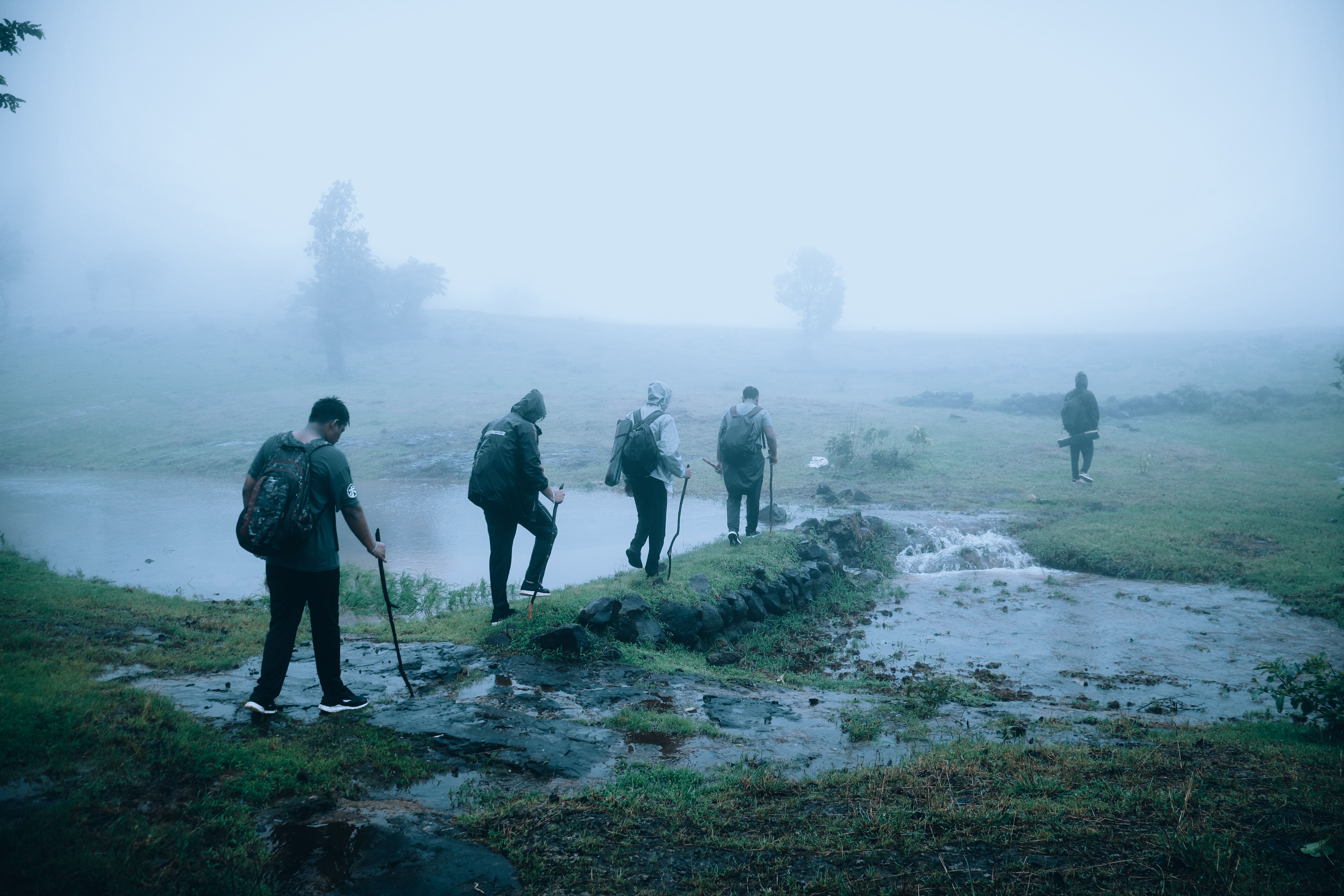
Popular trekking routes increasingly require a permit obtained in advance. The systems serve several purposes at once, and rationing is only the most visible of them.
Trails have a physical carrying capacity
A path erodes in proportion to use, and once a surface is broken, water follows the trail and accelerates the damage considerably.
Walkers avoiding a wet or damaged section step around it, which widens the trail and starts the process again on fresh ground.
Limiting daily numbers slows that cycle enough for maintenance to keep pace, which is otherwise impossible on remote sections reached only on foot.
Waste and water are the binding constraints
Huts and campsites on popular routes have finite water sources and finite capacity to treat or remove human waste.
Exceeding that capacity contaminates the water supply that the same walkers depend on, which is the most immediate health risk on a busy trail.
Permit numbers are frequently set by the sanitation capacity of the accommodation rather than by the trail itself.
Permits fund the work they require
Trail maintenance, bridge repair, hut staffing and waste removal cost money, and in remote terrain everything must be carried or flown in.
Permit fees provide a revenue stream tied directly to use, which is more sustainable than competing for general public funding each year.
In several regions a share is directed to the local communities through whose land the route passes, which supports the arrangement politically.
Registration matters for rescue
A permit system creates a record of who entered, by which route and on what date, which is the starting point for any search.
Without it, a rescue begins with establishing whether the person is on the mountain at all, and that uncertainty costs time in the period when it matters most.
Many systems pair the permit with a check-out step, so an unreturned walker is identified quickly rather than after a family raises the alarm days later.
Practical consequences for planning
Permits for the most contested routes are released on fixed dates and can be exhausted in a single day, which puts them ahead of flights in the planning order.
Guided operators frequently hold allocations, which is one reason a guided trip can be available when independent permits are gone.
Rules, quotas and fees are set locally and change between seasons, so verification with the managing authority shortly before travel is worth more than any secondhand account.