
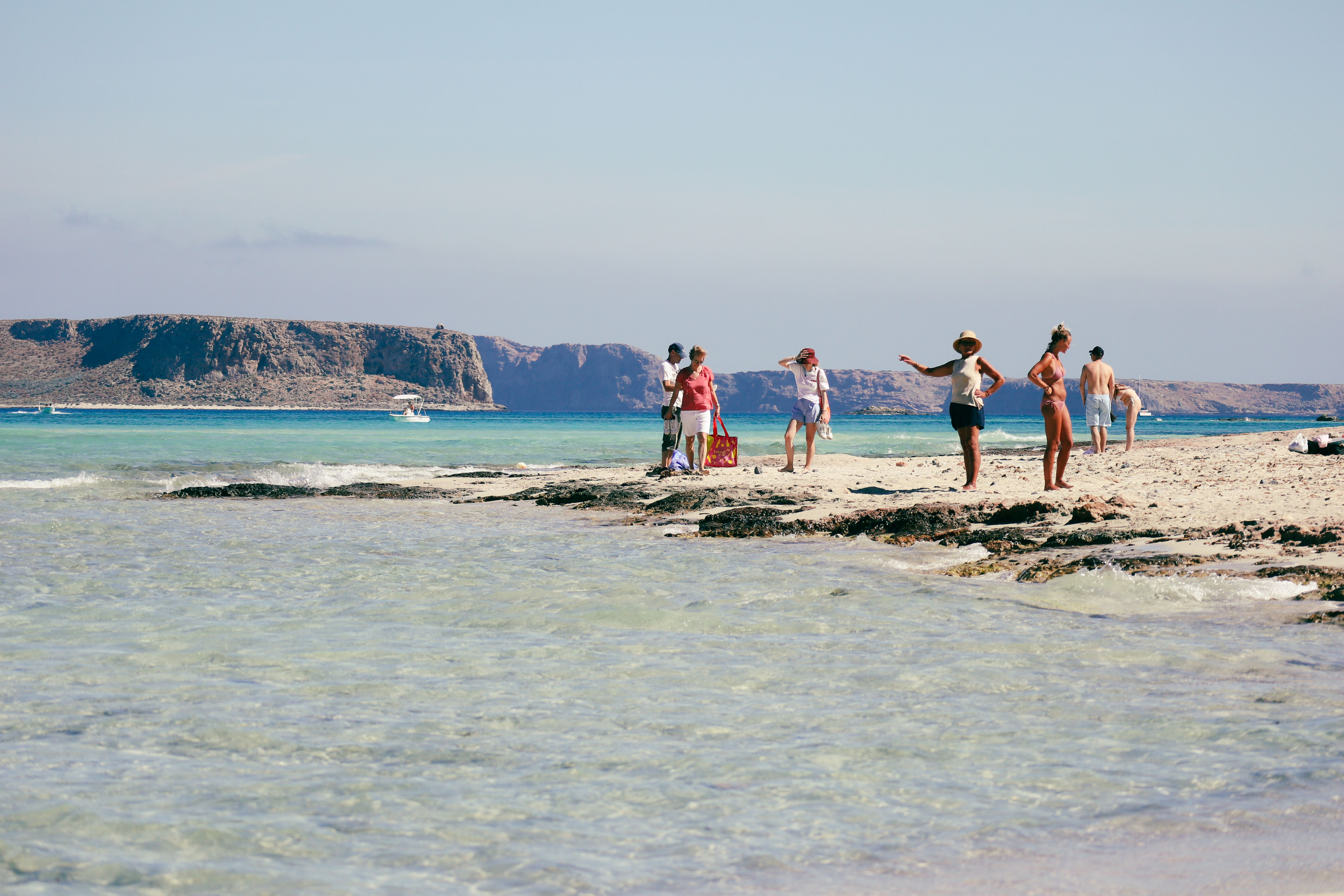
Two rooms at a beach resort can be identical in size and finish and differ substantially in price. The premium is paid for a sightline, and the supply of sightlines is fixed by the building.
Geometry caps the supply
Only the rooms along one face of a structure can look directly at the water. Everything behind or beside them looks at something else.
Architects push against this with angled wings, stepped massing and balconies rotated toward the shore, but the number of true frontline rooms remains a small fraction of the total.
That fraction is fixed the day the building is finished. No amount of demand can produce another oceanfront room.
Coastal rules limit how close anything can be
American coastal states regulate construction near the shoreline through setback lines that keep buildings back from the active beach and dune systems.
Those rules exist for erosion and storm reasons, and they mean new construction usually sits further back than older properties that predate the regulation.
Grandfathered buildings close to the water therefore hold an advantage that cannot be replicated, which supports both their rates and their land value.
View categories are graded carefully
Most resorts distinguish oceanfront, ocean view and partial or side view, and the definitions matter because the price steps between them are significant.
Oceanfront generally means the water is directly ahead. Ocean view allows an angle. Partial view usually means the water is visible from part of the room or balcony.
Disputes at check-in almost always trace to a guest reading one term as another, which is why careful properties publish photographs taken from each category.
Floor height changes the calculation
Higher floors see further and over obstructions, so they usually price above lower ones in the same category.
Ground floor rooms with direct beach access invert this at some properties, particularly family resorts where carrying equipment across a lobby is the greater inconvenience.
Which way it goes depends on the guest profile the property serves, and the pricing reveals which one that is.
Views can be lost
Neighboring development is the standing risk. A parcel between a resort and the water, if buildable, can remove the asset the rates depend on.
Resorts sometimes buy adjacent land purely to prevent that, treating it as protecting existing revenue rather than acquiring a development site.
Vegetation creates a slower version of the same problem, which is why coastal properties maintain planting schemes at heights that preserve sightlines without violating dune protection rules.