
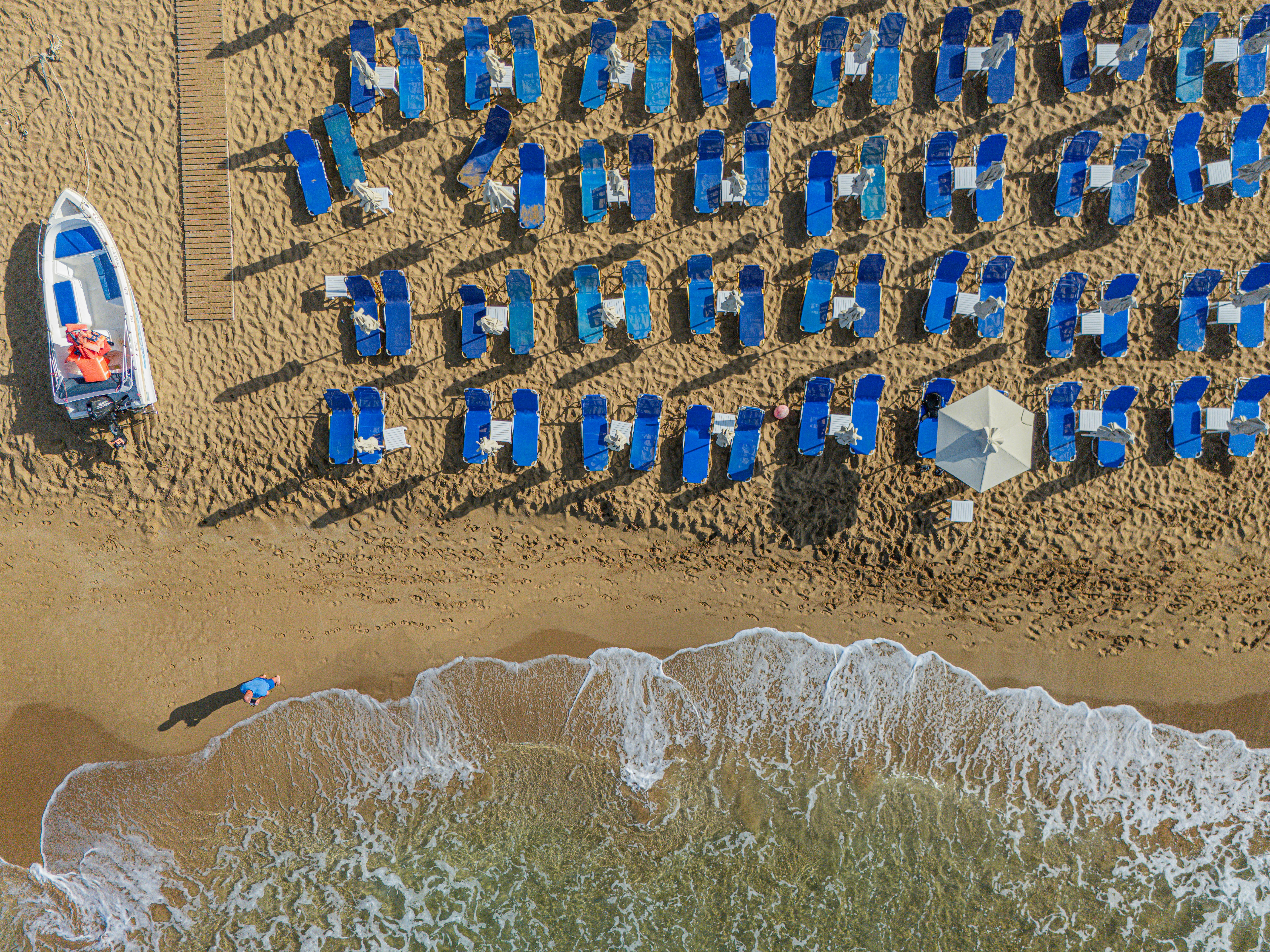
Discover the future of opulent travel with our 2026 guide to the most exclusive eco-luxury resorts. Learn how sustainable practices are redefining high-end beach and island vacations, offering unparalleled comfort, bespoke experiences, and genuine marine conservation efforts. Explore top destinations, compare premium options, and plan your next responsible, unforgettable luxury getaway.
Introduction to the Topic
As we navigate 2026, the world of luxury travel is undergoing a profound transformation. The discerning traveler no longer simply seeks opulence; they demand purpose, authenticity, and a positive impact. This shift has given rise to the 'eco-luxury' movement, particularly vibrant within the coveted Beach & Islands sector. Forget outdated notions of sustainability meaning sacrifice; today's eco-luxury resorts seamlessly blend five-star comfort with cutting-edge environmental stewardship and deep community engagement. From the pristine atolls of the Maldives to the lush rainforests of Costa Rica, these havens are setting new benchmarks for responsible indulgence, ensuring that paradise not only remains breathtaking but thrives for generations to come.
This article delves into the burgeoning trend of eco-luxury island escapes, exploring how these exclusive properties are redefining the very essence of a premium vacation. We'll uncover the innovative practices, the unparalleled experiences, and the genuine commitment to conservation that positions them at the forefront of the travel industry. If you're planning a high-end beach vacation, seeking a private island getaway, or simply dreaming of a truly meaningful luxury experience, understanding this trend is paramount. Prepare to discover destinations where your desire for lavish comfort aligns perfectly with your values for a better world.
Backgrounds & Facts
The journey towards eco-luxury didn't happen overnight. For decades, the travel industry grappled with its environmental footprint, from carbon emissions to waste management and the impact of mass tourism on fragile ecosystems. However, a confluence of factors has accelerated the adoption of sustainable practices within the luxury segment. Growing consumer awareness, driven by global climate concerns and the desire for more authentic travel experiences, has placed immense pressure on resorts to evolve.
In 2026, the benchmarks for sustainability are higher than ever. Leading eco-luxury resorts are not merely recycling; they are pioneering regenerative tourism models. This includes:
- Renewable Energy Integration: Many properties now operate on 100% renewable energy, utilizing solar farms, wind turbines, and even innovative wave energy converters to power their operations, drastically reducing their carbon footprint.
- Advanced Waste Management: Beyond recycling, resorts are implementing sophisticated composting systems, waste-to-energy solutions, and eliminating single-use plastics entirely, often with on-site bottling plants for water.
- Water Conservation & Desalination: Given their island locations, efficient water usage is critical. Advanced desalination plants powered by renewables, rainwater harvesting, and greywater recycling systems are standard practice.
- Marine & Terrestrial Conservation: Partnering with marine biologists and local conservation groups, these resorts actively participate in coral propagation, mangrove reforestation, and protecting endangered species. Guests often have opportunities to engage in these initiatives.
- Local Sourcing & Community Engagement: A true eco-luxury experience extends to supporting local economies. Resorts prioritize sourcing ingredients from local farmers and fishermen, employing local staff, and investing in community development projects, ensuring that the economic benefits of tourism are shared equitably.
- Sustainable Architecture & Design: Buildings are designed to blend seamlessly with the natural environment, using locally sourced, sustainable materials, and employing passive cooling techniques to minimize energy consumption.
The market for sustainable luxury travel is projected to continue its exponential growth, with industry reports indicating a significant increase in booking intent for certified eco-friendly accommodations. Certifications like Green Globe, LEED, EarthCheck, and the newly emerging 'Blue Carbon Certified' for marine-focused properties, provide a trusted framework for travelers seeking genuinely sustainable options. These aren't just buzzwords; they represent a fundamental shift in how luxury resorts operate and how discerning guests choose to experience paradise.
Expert Opinion / Analysis
“The era of ‘greenwashing’ is over, especially in the luxury sector,” states Dr. Elara Vance, a leading sustainable tourism economist and advisor to several high-profile resort groups. “Today’s affluent traveler is highly educated, socially conscious, and demands transparency. They are willing to pay a premium for experiences that resonate with their values, knowing their investment contributes positively to the destination.”
Dr. Vance emphasizes that the integration of sustainability is no longer a marketing gimmick but a core business strategy. “Resorts that fail to adapt risk becoming obsolete. The competitive edge now lies in offering truly immersive, regenerative experiences. Guests aren't just looking for a beautiful beach; they want to plant coral, participate in local cultural exchanges, and leave a place better than they found it, all while enjoying unparalleled service and amenities.”
Her analysis points to several key trends shaping the 2026 eco-luxury landscape:
- Hyper-Personalization with a Purpose: AI and data analytics are being used to tailor sustainable experiences, from personalized eco-adventure itineraries to bespoke wellness programs that incorporate local healing traditions.
- Beyond Carbon Neutrality: The new frontier is 'carbon positive' and 'net positive' resorts, actively removing more carbon than they emit and contributing more to biodiversity than they consume.
- Experiential Conservation: Guests are increasingly involved in conservation efforts. Imagine guided dives with marine biologists to monitor reef health, or participating in a tree-planting ceremony that offsets your flight. These are not just activities; they are integral parts of the luxury experience.
- Investment in Local Resilience: Resorts are becoming integral parts of their local communities, investing in education, infrastructure, and sustainable livelihoods, creating a symbiotic relationship that benefits both guests and residents.
“The luxury travel segment has the unique ability to drive significant positive change due to its financial resources and influence,” Dr. Vance concludes. “When a high-end resort commits to genuine sustainability, it sets a precedent, inspires other businesses, and educates its global clientele. This isn't just about saving the planet; it's about redefining what true luxury means in the 21st century – conscious, connected, and profoundly impactful.”
💰 Best Options in Comparison (VERY IMPORTANT)
Choosing your ideal eco-luxury escape in 2026 can be an exhilarating journey. We've curated a selection of top-tier resorts that exemplify the pinnacle of sustainable luxury, offering unique experiences tailored to different preferences. These destinations combine exquisite design, unparalleled service, and a deep commitment to environmental and social responsibility. Prepare to discover your next extraordinary, conscious adventure.
- The Azure Sanctuary, Maldives: Nestled in a pristine, secluded atoll, The Azure Sanctuary is a beacon of marine conservation. It boasts overwater villas with private plunge pools, direct reef access, and personal eco-concierges. Powered entirely by solar energy and a state-of-the-art waste-to-energy system, it actively supports a thriving coral restoration project, allowing guests to participate in guided coral planting and marine biology workshops. Its 10-star dining features ingredients sourced from its own hydroponic gardens and local, sustainable fishermen.
- Kailani Eco-Lodge, Fiji: Perched on a dramatic cliffside overlooking the Pacific, Kailani Eco-Lodge offers an immersive cultural and nature-based luxury experience. Constructed with sustainably harvested local timber, its villas blend seamlessly into the rainforest. Kailani is renowned for its regenerative tourism model, directly investing 25% of its profits into local community projects, from schools to clean water initiatives. Guests can engage in traditional Fijian cooking classes, participate in reforestation programs, or explore untouched waterfalls with local guides.
- Terra Sol Retreat, Costa Rica: Located within a private nature reserve, Terra Sol Retreat is a masterpiece of biophilic architecture and holistic wellness. Its treehouse suites and jungle villas offer unparalleled privacy and breathtaking views, designed to minimize environmental impact. Terra Sol is a leader in biodiversity protection, running extensive wildlife rehabilitation programs and offering guests guided conservation treks. The resort's wellness philosophy integrates local medicinal plants, organic farm-to-table cuisine, and bespoke adventure activities like sustainable surfing and volcano hikes.
- The Coral Haven, Seychelles: An exclusive private island resort accessible only by private seaplane, The Coral Haven epitomizes discreet luxury and unparalleled marine protection. With just a handful of beachfront villas, it guarantees ultimate privacy. The resort operates on a net-positive energy model, contributing surplus renewable energy to a local island community. Its dedicated marine research center invites guests to collaborate with scientists on turtle nesting patrols and reef monitoring, offering a truly unique, impactful luxury escape.
| Resort Name | Sustainability Focus | Key Amenities | Price Point (per night, est. 2026) | Unique Selling Proposition | Best For |
|---|---|---|---|---|---|
| The Azure Sanctuary, Maldives | 100% Solar, Marine Conservation, Waste-to-Energy | Overwater villas, private pools, eco-concierge, fine dining, spa | $3,500 - $15,000+ | Immersive coral restoration and marine biology guest programs | Luxury divers, eco-conscious couples, Maldives enthusiasts |
| Kailani Eco-Lodge, Fiji | Regenerative Tourism, Community Investment, Sustainable Architecture | Cliffside villas, private decks, local spa treatments, cultural tours | $1,800 - $8,000+ | Deep cultural immersion and direct community impact | Adventure seekers, culture enthusiasts, families wanting meaningful travel |
| Terra Sol Retreat, Costa Rica | Biodiversity Protection, Biophilic Design, Holistic Wellness | Treehouse/jungle villas, private reserves, organic dining, wellness programs | $2,200 - $10,000+ | Integrated wildlife conservation and bespoke wellness journeys | Nature lovers, wellness enthusiasts, eco-adventurers |
| The Coral Haven, Seychelles | Net-Positive Energy, Private Island, Advanced Marine Research | Beachfront villas, personal chef, private seaplane access, research lab | $5,000 - $25,000+ | Ultimate privacy combined with hands-on marine science collaboration | Ultra-luxury travelers, honeymooners, conservation philanthropists |
Each of these premier eco-luxury resorts offers a distinct pathway to responsible indulgence. Whether your priority is marine conservation, cultural immersion, or holistic wellness, these destinations ensure your luxury vacation contributes positively to the planet and its people. For exclusive booking offers and personalized travel planning, visit luxuryresortreview.com and connect with our expert travel advisors.
Outlook & Trends
The future of eco-luxury island escapes in 2026 and beyond promises even more innovation and integration. We anticipate several exciting trends that will further enhance the guest experience while deepening environmental commitment:
- Advanced Biometric & AI-Powered Customization: Expect resorts to leverage AI to predict and personalize sustainable experiences, from dietary preferences for locally sourced meals to suggesting conservation activities based on guest interests and even previous travel data. Biometric check-ins and personalized digital guides will streamline the journey while reducing paper waste.
- Circular Economy Integration: Resorts will move towards fully circular models, where every resource is reused, repaired, or recycled within the property or local community. This includes innovative building materials made from recycled ocean plastics and advanced composting systems that return nutrients to resort gardens.
- Underwater Resorts & Habitats: While still niche, the development of luxury underwater accommodations and research habitats will likely expand. These structures, designed with minimal impact, offer unparalleled immersion in marine environments, often funding critical research and conservation efforts.
- Carbon-Negative Travel Packages: Beyond carbon-neutral, travel packages will emerge that actively remove more carbon from the atmosphere than they generate, through significant investments in reforestation, direct air capture technologies, or blue carbon initiatives.
- Guest as Citizen Scientist: The trend of involving guests in conservation will deepen. Expect augmented reality tools for identifying marine species, real-time data dashboards for reef health, and opportunities for guests to contribute data to global scientific projects during their stay.
- Regenerative Wellness & Mindful Travel: Wellness programs will increasingly focus on the connection between personal well-being and planetary health. This includes forest bathing in protected areas, oceanfront meditation with a focus on marine sounds, and culinary experiences centered around regenerative agriculture.
These trends highlight a future where luxury travel is not just about escapism, but about meaningful engagement, personal growth, and a profound connection to the natural world. The eco-luxury segment is not just a trend; it's the responsible evolution of high-end travel, setting a new standard for how we experience and protect our most cherished destinations.
Conclusion
In 2026, the allure of beach and island getaways remains as strong as ever, but the definition of luxury has matured. The rise of eco-luxury resorts signifies a pivotal moment in travel, where unparalleled comfort, bespoke services, and breathtaking natural beauty are harmoniously intertwined with a genuine commitment to sustainability and community well-being. These aren't just hotels; they are pioneering models for responsible tourism, offering experiences that enrich the traveler, empower local communities, and protect the planet's most fragile ecosystems.
By choosing an eco-luxury escape, you're not just booking a vacation; you're investing in a future where paradise endures. You're supporting innovative practices, contributing to vital conservation efforts, and becoming part of a global movement towards more conscious and impactful travel. Whether you dream of planting coral in the Maldives, immersing yourself in Fijian culture, or exploring the biodiversity of Costa Rica, the options for a truly meaningful, high-end escape are richer and more compelling than ever before.
Ready to redefine your luxury travel experience? Explore our curated selection of the world's finest eco-luxury resorts and plan your next unforgettable, responsible adventure at luxuryresortreview.com. Your extraordinary journey awaits.