
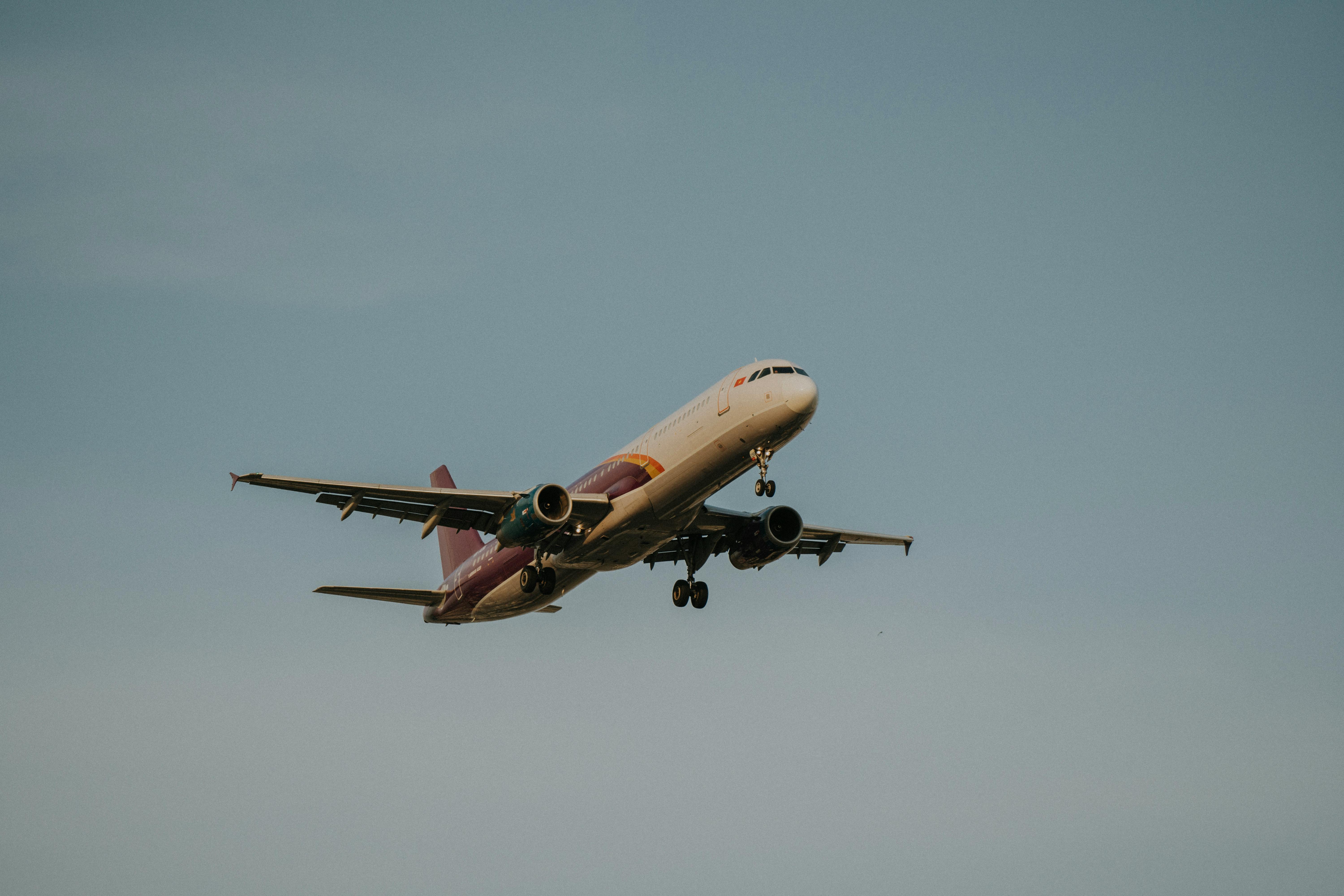
In 2026, the dream of supersonic commercial travel is no longer a distant fantasy. With Boom Supersonic's Overture poised to redefine luxury aviation, elite travelers are on the cusp of experiencing ultra-fast, premium flights that cut journey times in half. Discover how this revolutionary technology, coupled with sustainable aviation initiatives, is set to transform transatlantic and transpacific travel for the discerning few, offering unprecedented time savings and an unparalleled journey.
Introduction to the Topic
For decades, the very mention of supersonic flight conjured images of the sleek, iconic Concorde – a symbol of speed, luxury, and a bygone era of aviation marvel. Yet, as we stand in 2026, the whispers of its revival have grown into a resounding declaration: supersonic commercial travel is not just returning, it's being reinvented. This isn't merely about flying faster; it's about reclaiming time, the ultimate luxury commodity, and redefining the very essence of premium travel for the 21st century's most discerning individuals. The race to break the sound barrier in commercial aviation is back on, driven by cutting-edge technology, a renewed focus on sustainability, and an insatiable demand for efficiency among the global elite. From transatlantic dashes to transpacific journeys, the promise of halving travel times is set to revolutionize everything from international business deals to extended luxury getaways. Welcome to the dawn of a new supersonic age, where your next flight could be faster, smoother, and more luxurious than anything you've ever imagined.
Backgrounds & Facts
The legacy of supersonic commercial flight begins, of course, with the Concorde. From its inaugural flight in 1969 to its retirement in 2003, Concorde represented the pinnacle of aviation engineering and luxury, whisking passengers across the Atlantic in approximately 3.5 hours. Its eventual demise was attributed to a confluence of factors: high operating costs, limited routes due to sonic boom restrictions over land, a small passenger capacity, and a declining market following a tragic accident. For nearly two decades, the skies remained subsonic.
However, the seeds of a new era were quietly being sown. By the mid-2020s, advancements in aerospace engineering, materials science, and engine technology have paved the way for a more viable and sustainable supersonic future. The primary contender leading this charge is Boom Supersonic with its highly anticipated Overture aircraft. In 2026, Boom has made significant strides, with the XB-1 demonstrator aircraft having completed its initial test flights, providing crucial data for the Overture's development. The Overture, designed to fly at Mach 1.7 (approximately 1,300 mph), aims to carry 65-80 passengers in an all-premium configuration, effectively cutting typical transatlantic and transpacific flight times by half.
Key technological breakthroughs enabling this revival include quieter engine designs that mitigate noise pollution, advanced composite materials for lighter and more durable airframes, and sophisticated aerodynamic shaping to reduce drag and improve fuel efficiency. Crucially, Boom Overture is designed to run on 100% Sustainable Aviation Fuel (SAF), addressing one of the biggest criticisms of its predecessor and aligning with the luxury travel industry's growing emphasis on environmental responsibility. Major airlines like United Airlines and American Airlines have already placed significant pre-orders, signaling strong industry confidence and a clear market demand for ultra-fast, premium air travel. While Boom is the frontrunner for commercial passenger flights, other companies like Hermeus are exploring hypersonic travel (Mach 5+), primarily for defense and ultra-fast point-to-point transport, indicating a broader trend towards pushing the boundaries of aerial speed.
Expert Opinion / Analysis
Aviation analysts are largely optimistic about the return of supersonic travel, albeit with a realistic view of its niche market. "The demand for speed, especially among high-net-worth individuals and corporate executives, has never truly waned," states Dr. Evelyn Reed, a leading aerospace economist. "Time is unequivocally the most valuable asset for this demographic. Shaving three to four hours off a transatlantic flight isn't just a convenience; it's a strategic advantage for business and a significant enhancement for leisure travel, allowing for more experiences in less time."
Luxury travel advisors echo this sentiment. "Our clients are constantly seeking unique, exclusive experiences and ways to optimize their schedules," explains Marcus Thorne, CEO of Elite Journeys, a bespoke travel agency. "The ability to depart New York after a full day's work and arrive in London for dinner, effectively gaining back a day, is an unparalleled selling point. We anticipate significant interest in early access programs and routes once they become available." Thorne also highlights the potential for supersonic flights to be integrated into comprehensive luxury travel packages, offering seamless connections to exclusive resorts and private events.
Environmental concerns, a major hurdle for Concorde, are being proactively addressed. "The commitment to 100% SAF compatibility for Overture is a game-changer," notes Dr. Lena Khan, an expert in sustainable aviation. "While the fuel burn per passenger mile might still be higher than a traditional subsonic flight, the carbon footprint is significantly reduced when using SAF derived from sustainable feedstocks. The industry is demonstrating that speed and sustainability don't have to be mutually exclusive, though challenges remain in scaling SAF production." Regulatory bodies are also working with manufacturers to refine noise standards, particularly concerning sonic booms, to enable more flexible route planning. The consensus is clear: supersonic travel in 2026 and beyond is not just a technological feat, but a carefully calibrated business proposition designed for a very specific, high-value segment of the global traveler market.
💰 Best Options in Comparison (VERY IMPORTANT)
In 2026, while commercial supersonic flights are still a few years from full operational status, the choice for the elite traveler is becoming clearer: prepare for the future of supersonic luxury or optimize current premium offerings. The primary player reshaping this landscape is Boom Supersonic's Overture, with others on the horizon. Here's how the future stacks up against the present:
- Boom Supersonic Overture: The Future of Speed and Luxury
The Overture is designed to be a game-changer. Flying at Mach 1.7, it promises to cut flight times in half, making a New York to London journey possible in roughly 3.5 hours. Its cabin is configured for 65-80 passengers, all in a premium, business-class-equivalent setting with spacious seating, large windows, and state-of-the-art amenities. Crucially, its commitment to 100% Sustainable Aviation Fuel (SAF) capability ensures a significantly reduced environmental impact compared to previous supersonic ventures. While commercial flights are projected for 2029, 2026 is the year to understand its potential, explore pre-booking options with partner airlines like United and American, and anticipate its impact on your travel schedule. - Current Ultra-Luxury First Class & Private Jet Charters: The Present Pinnacle
For immediate needs, the existing market offers unparalleled luxury. First-class suites on carriers like Emirates, Singapore Airlines, and Etihad provide private cabins, gourmet dining, and personalized service, often with amenities like in-flight showers or private chefs. Private jet charters offer ultimate flexibility, privacy, and bespoke experiences, flying directly to smaller airports closer to your destination. While these options provide supreme comfort and convenience, they cannot match the sheer speed advantage of supersonic travel, meaning longer transit times for intercontinental journeys.
To help you decide whether to embrace the future or maximize the present, here's a comparison:
| Feature | Boom Supersonic Overture (Projected) | Traditional First Class (e.g., A380/747) | Private Jet Charter (e.g., Global 7500) |
|---|---|---|---|
| Speed | Mach 1.7 (approx. 1,300 mph) | Mach 0.85 (approx. 650 mph) | Mach 0.92 (approx. 700 mph) |
| NYC-London Time | ~3.5 hours | ~7 hours | ~6 hours |
| Capacity | 65-80 (all premium) | 8-20+ (dedicated first class) | 4-19 (tailored to aircraft) |
| Cabin Experience | Spacious, large windows, quiet interior | Private suites, showers, bars (airline dependent) | Ultimate privacy, bespoke catering, direct access |
| Fuel Source | 100% SAF Capable | Jet Fuel (SAF integration growing) | Jet Fuel (SAF integration growing) |
| Target Market | Elite Business & Leisure Travelers | High-Net-Worth, Corporate | Ultra-High Net Worth, Privacy-focused |
| Projected Price (One Way) | Premium First Class (e.g., $5,000-$10,000+) | $5,000-$15,000+ | $20,000-$100,000+ (per hour/flight) |
| Availability | First Commercial Flights ~2029 (Pre-orders 2026) | Currently Available | Currently Available |
Outlook & Trends
Looking beyond 2026, the trajectory for supersonic and even hypersonic travel is one of ambitious expansion and continuous innovation. As Overture approaches its commercial debut, we anticipate an initial focus on high-demand transatlantic routes, such as New York to London and Paris, and transpacific corridors like San Francisco to Tokyo. Over time, as production scales and operational efficiencies are refined, we could see an expansion to more luxury destinations, potentially integrating with bespoke resort packages that offer an end-to-end ultra-fast travel experience.
The innovation won't stop at Overture. Trends suggest a strong push towards smaller, private supersonic jets, mirroring the evolution of the private jet market. Companies like Spike Aerospace are already developing concepts for Mach 1.6 private supersonic aircraft, offering even greater exclusivity and flexibility for ultra-high-net-worth individuals. Further down the line, the development of hypersonic technologies (Mach 5+) by players like Hermeus and Destinus, while currently geared towards defense or cargo, could eventually trickle into ultra-premium passenger transport, promising journeys across continents in a matter of hours, not just half-days.
Sustainability will remain a central theme. The drive for 100% SAF will intensify, pushing for greater production and more diverse feedstock options. Advances in propulsion, including hybrid-electric or even hydrogen-powered concepts, could emerge as future alternatives for high-speed flight, further reducing environmental footprints. The integration of AI and advanced data analytics will also enhance operational efficiency, personalize passenger experiences, and streamline ground services, making the supersonic journey as seamless as it is swift. The future of luxury air travel is not just about speed; it's about intelligent, sustainable, and utterly transformative mobility.
Conclusion
The year 2026 marks a pivotal moment in the re-emergence of supersonic commercial travel. What was once a nostalgic dream is now a meticulously engineered reality, poised to redefine luxury aviation for an exclusive clientele. With Boom Supersonic's Overture leading the charge, the promise of halving intercontinental flight times is not just a technological marvel; it's a profound enhancement of the most precious commodity – time itself. For the elite traveler, this means more time for business, more time for leisure, and more time to experience the world's finest destinations. The emphasis on sustainable aviation fuel ensures that this new era of speed aligns with a conscious approach to global travel.
As we look towards the skies of tomorrow, the choice is becoming clear: embrace the future of ultra-fast, premium air travel. The supersonic revolution is here, not just as a concept, but as a tangible future shaping the way you will travel. Prepare to break the sound barrier, reclaim your time, and elevate your journey to an unprecedented level of luxury. The future of flying is fast, sustainable, and waiting for you.