
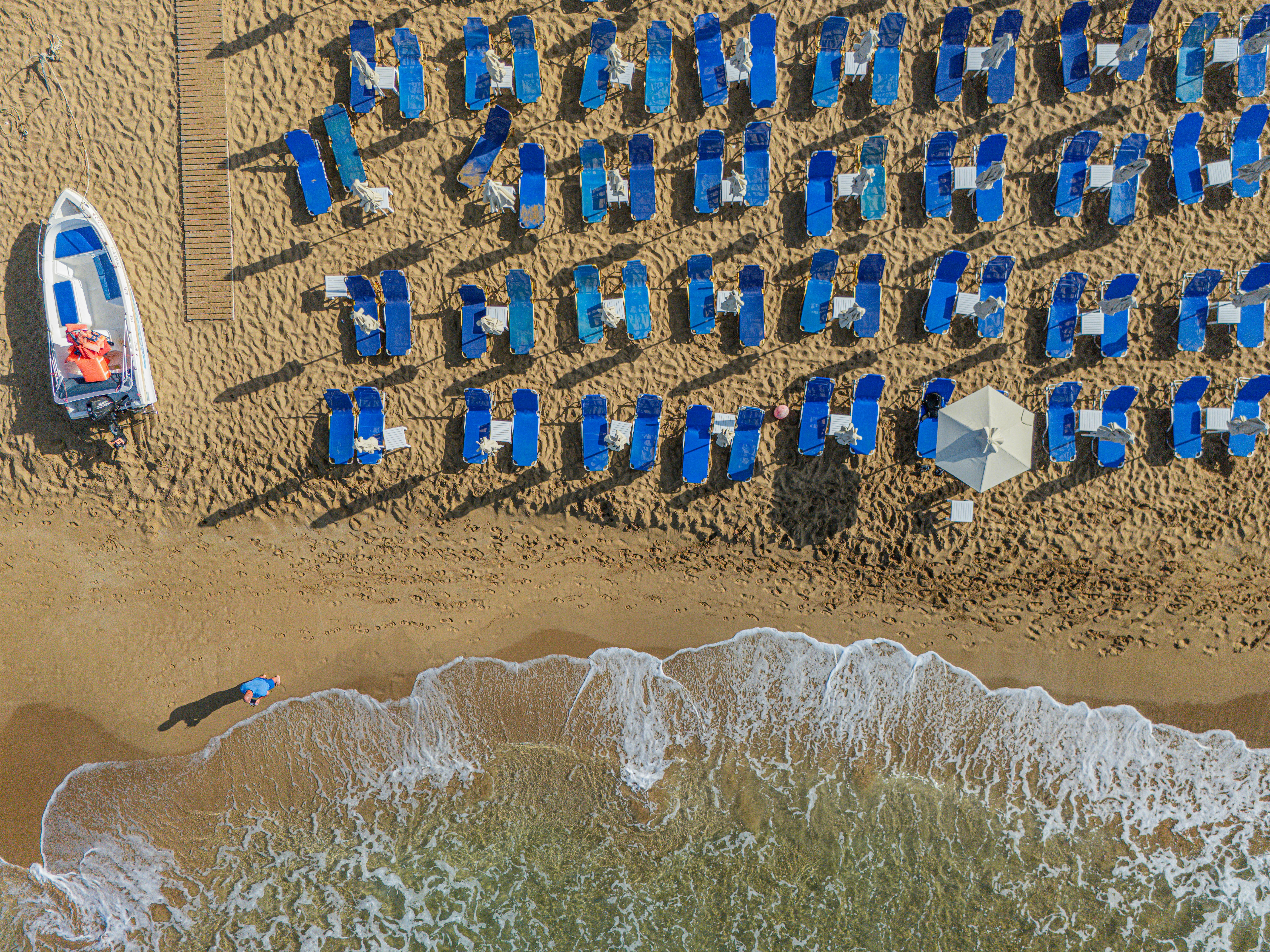
Taking photographs while travelling involves legal and ethical questions that differ by country.
Photographing people
Consent expectations and legal requirements varying substantially.
Which is a courtesy question before it is a legal one.
Religious and sacred sites
Restrictions on photography inside.
Which are frequently signed and sometimes not.
Government and military installations
Prohibitions with serious consequences in some countries.
Commercial use
Different rules applying to images used commercially.
Which includes some social media use.
The distinction between legal and decent
In many places photographing people in public is legal, and doing it without acknowledgement to someone going about their life is a different question.
Which is where most of the discomfort about travel photography actually sits.
Asking takes a moment, is usually welcomed, and produces better photographs as well as a better interaction.
Children
Additional sensitivity and in some places legal restriction.
Which is worth being careful about.
Drones
Registration, permits and outright prohibitions.
Which are enforced and carry serious penalties in some countries.
Museums and galleries
Rules varying by institution and by exhibition.
Publishing images
Different considerations from taking them.
A workable approach
Ask when photographing people, look for signs and ask staff at religious and cultural sites, and avoid anything that looks official or military.
Which covers almost every situation a traveller encounters.
The consequences of getting the last one wrong are disproportionate in some countries, and the sign is not always in a language you read.
Payment for photographs
Expectations in some destinations.
Which is worth understanding as a local norm rather than resenting.
Ceremonies and funerals
Situations where photography is intrusive regardless of legality.
Sharing images
Consent for publication being a further question.
Which people rarely consider at the moment.
Equipment
Professional-looking gear attracting attention and permit requirements.
Why the travel industry is so hard to see into
Almost every part of a holiday is sold by one company, delivered by another and regulated by a third, frequently across several countries. The traveller deals with a single price and a single confirmation, and the arrangements behind it are invisible.
That structure is not designed to confuse anyone. It exists because travel involves aviation, accommodation, ground transport, insurance and consumer protection, and no single business does all of those well. The consequence is that when something goes wrong, working out who is responsible is genuinely difficult, and the answer frequently depends on how the booking was assembled rather than on what actually happened.
The questions worth asking before booking
Who is the organiser, what protection applies if a supplier fails, what exactly is included in the price, and what happens if plans change. Four questions, all answerable at the point of booking, and between them they cover most of the situations that produce complaints afterwards.
None of this makes travel more complicated than it is. It makes visible a set of decisions that are being made whether or not the traveller notices them.
A general note
Consumer protection, aviation passenger rights, classification schemes, driving rules and insurance regulation all differ substantially between countries, and change. National regulators and consumer bodies publish the applicable rules, and they are the authoritative source for anything with money or a legal position attached.
One habit worth adopting
Before paying for anything in travel, read the part of the confirmation that describes what happens if it does not go ahead. Not the terms in full, just that section.
It takes two minutes, it is where the meaningful differences between apparently similar offers actually sit, and it is the only part of the documentation that matters on the day something goes wrong.
A closing thought
Travel is one of the few substantial purchases most people make without reading anything about how it is arranged. That is understandable, because the arranging is meant to be invisible and usually is.
The occasions when it becomes visible are the occasions when something has gone wrong, and that is the worst possible moment to be learning who is responsible for what. Ten minutes of reading before booking is not a burden, and it is the difference between having a position and hoping someone will help.
Where to find reliable information
National tourist boards, aviation regulators and consumer protection bodies all publish material aimed at travellers rather than at the industry, and it is free, specific and rarely promoted. It is considerably more useful than the general advice that circulates, and it has the advantage of being current for the country you are actually going to.
A final practical note
Almost everything above rewards a small amount of preparation and punishes none. Checking entry requirements, reading what a booking includes, and knowing what protection applies takes an hour spread across the weeks before a trip.
It is the least enjoyable part of planning a holiday and it is the part that determines whether an ordinary problem stays ordinary.