
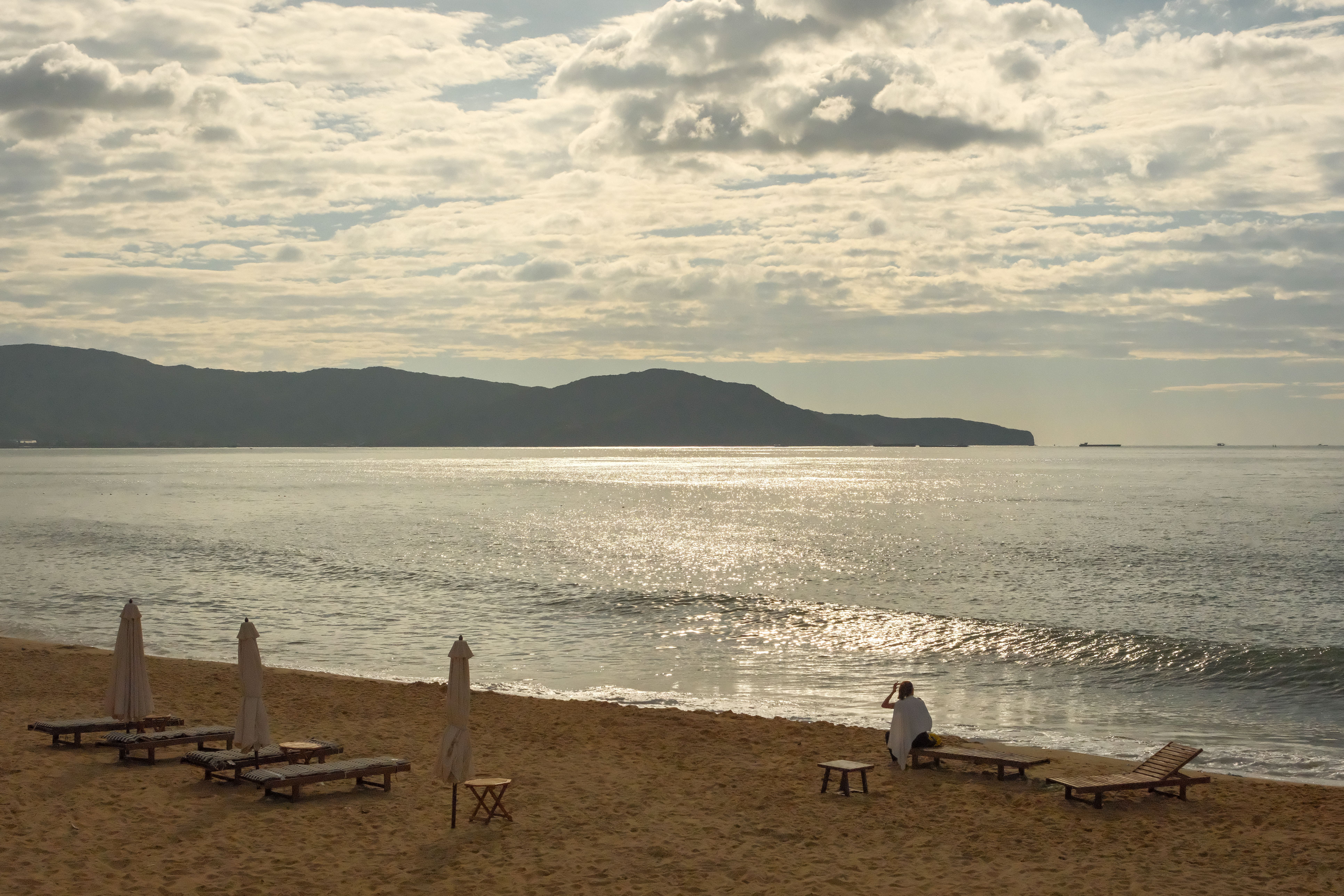
At many coastal resorts the daily schedule moves by about an hour every day. Tides, not management preference, are what set the timetable.
The cycle does not match the clock
Most coasts experience two high and two low tides in a period slightly longer than a day, because the tidal cycle follows the moon rather than the sun.
The consequence is that high tide occurs roughly fifty minutes later each day, drifting steadily through the working hours of a resort.
An activity that worked at nine in the morning this week works at midday a fortnight later, which is why printed schedules are rarely fixed.
Range varies with the lunar month
When sun and moon align, their gravitational effects combine and produce the largest range between high and low water.
When they are at right angles, the effects partly cancel and the range is much smaller, so the beach changes far less through the day.
The difference between those weeks is dramatic on coasts with large ranges, and it determines which weeks certain excursions can run at all.
Boats depend on water depth
Shallow lagoons, reef passes and river-mouth harbours are passable only above a certain water level, which fixes departure windows precisely.
Dive and fishing boats therefore leave on the tide rather than at a convenient hour, and a missed window means waiting several hours rather than minutes.
Resorts that appear to schedule excursions oddly are usually working backwards from the only times their boats can cross.
Swimming conditions change through the cycle
On reef-fringed coasts, low tide can expose the reef flat entirely, leaving water too shallow to swim and coral too exposed to walk on safely.
Moving water in channels and reef passes runs strongly on the turning tide, and those currents are the most common hazard at otherwise calm beaches.
Resort flag systems and guidance are usually tied to that timing rather than to weather, which is why conditions can change on a clear, still day.
Planning around the table
Tide tables for any coast are published well in advance and are accurate, since the underlying astronomy is entirely predictable.
Checking them before booking excursions removes most scheduling surprises, particularly for tidal flats, sandbar picnics and reef walks that exist only at certain hours.
Weather can shift actual water levels somewhat through wind and pressure, so the table is a reliable plan rather than a guarantee, and local advice still governs.