
Paying to choose a seat is now normal on most airlines, including those that once included it. The change followed the same logic that separated baggage from the fare.
Seats on one aircraft are not equivalent
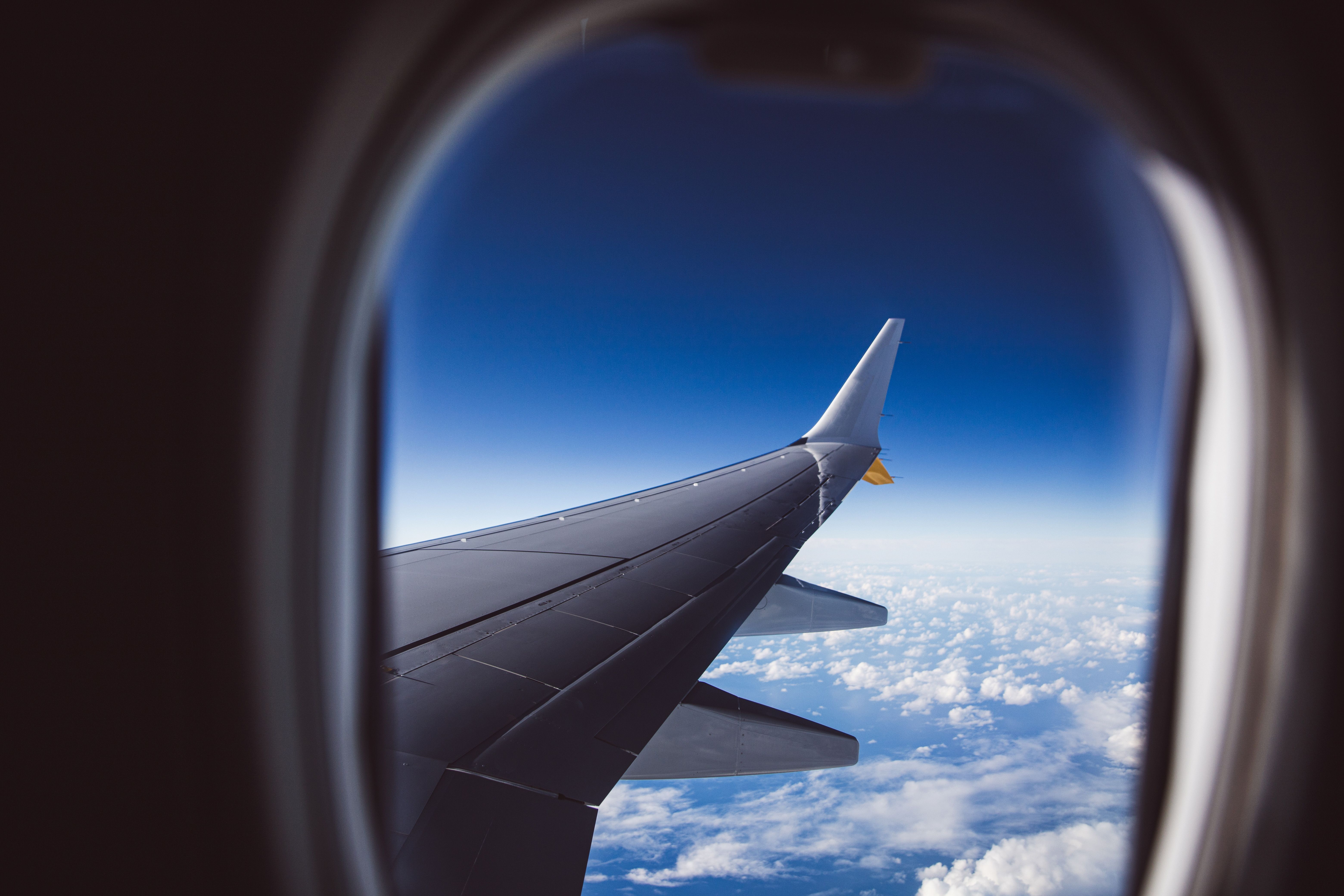
An economy cabin contains seats with more legroom at exits and bulkheads, seats by windows, seats on aisles and seats in the middle of a block.
Those differences matter enormously to some passengers and hardly at all to others, which is the precondition for charging separately.
Allocating them at random gave the best seats to whoever happened to check in first, which captured no revenue from a difference passengers valued.
Unbundling followed the baggage precedent
Once airlines had separated baggage from the fare successfully, the same reasoning applied to every other component of the journey.
The headline fare falls, which improves position in price comparisons, while total revenue per passenger is maintained through the additions.
Seat fees are particularly effective because they cost the airline almost nothing to provide, unlike baggage which adds weight and handling.
Group seating creates the pressure
The strongest willingness to pay comes from families and groups who need to sit together, since the alternative is genuinely unacceptable to them.
Airlines have faced regulatory attention on this point in several markets, particularly where young children were being separated from accompanying adults.
Rules in some jurisdictions now require adjacent seating for children at no charge, which limits the practice without ending it.
Status and fare type still allocate seats
Frequent flyer status typically includes complimentary selection, often of the better economy seats, which is one of the more tangible benefits of a programme.
Higher fare classes within economy usually include selection as well, which is part of how airlines differentiate those fares from the cheapest bucket.
The result is a hierarchy in which the same physical seat is free to some passengers and chargeable to others on the same flight.
What a traveller can reasonably do
Assignment at check-in remains free on most carriers, so the fee buys certainty rather than a seat, and the value of that certainty varies by traveller.
On short flights with a solo traveller and hand luggage, declining the fee costs little beyond the possibility of a middle seat.
On long flights, overnight sectors and group travel the calculation reverses, since the consequences of a poor allocation last for many hours.