
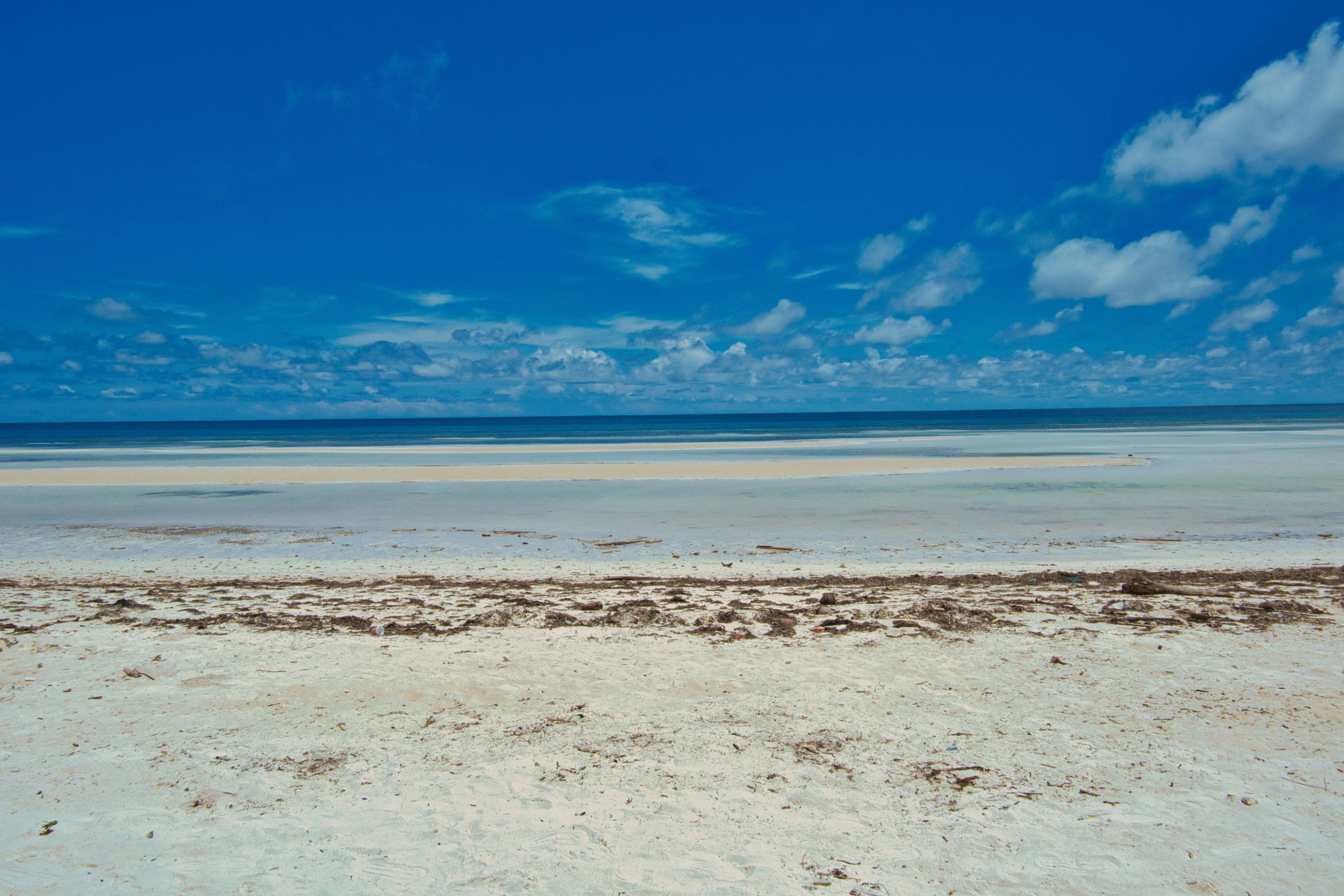
Resorts advertise private beaches, yet in most of the United States the sand itself is not private. What a property controls is the route to it, and that distinction drives the rules guests encounter.
Public trust sets the baseline
Under long-standing doctrine applied by American states, the shoreline below a defined line is held in trust for the public. The line is often tied to the mean high water mark.
Below that boundary the public generally has rights to walk, fish and swim, regardless of who owns the property above it.
Some states extend public rights further up the beach, and a few recognize customary use across the dry sand. The variation between states is substantial.
Access is what actually gets controlled
If the beach is public but every path to it crosses private land, practical access is limited. That is the mechanism behind most private beach claims.
Many jurisdictions require public access points at intervals, or require dedicated access as a condition of coastal development permits.
Resorts satisfy these obligations while directing their own guests through controlled paths, which is why signage often distinguishes a resort entrance from a public one nearby.
Furniture is the visible flashpoint
Chairs, umbrellas and cabanas placed on public sand are the most common source of conflict, because they occupy space the public is entitled to use.
Local ordinances typically regulate how much beach may be set with furniture, how far from the water it may sit and whether it can remain overnight.
Enforcement varies widely, and disputes usually surface in peak season when the beach is crowded enough for the occupation to matter.
Erosion moves the boundary
Because the legal line is tied to a physical feature, it shifts as the shoreline shifts. A storm that moves sand can move the boundary of what is public.
Beach nourishment complicates it further. Where public money widens a beach, states frequently attach public access conditions to the newly created sand.
Resorts that benefit from nourishment can therefore find the effective public area larger than before the project.
What guests actually experience
The practical result is a beach that feels private because of staffing, service and controlled approach, while remaining legally open at the water's edge.
Guests occasionally discover this when non-guests walk through, and resort staff generally have no authority to stop passage below the line.
Properties handle it by concentrating service rather than asserting exclusion, since the service is the part they are entitled to control.