
A reef offshore does more for the coast behind it than provide something to look at. It shapes the shoreline, the fishery and the tourism economy at once.
Reefs absorb wave energy before the shore does
A reef crest sits close to the surface and forces waves to break offshore, dissipating a large share of their energy before they reach the beach.
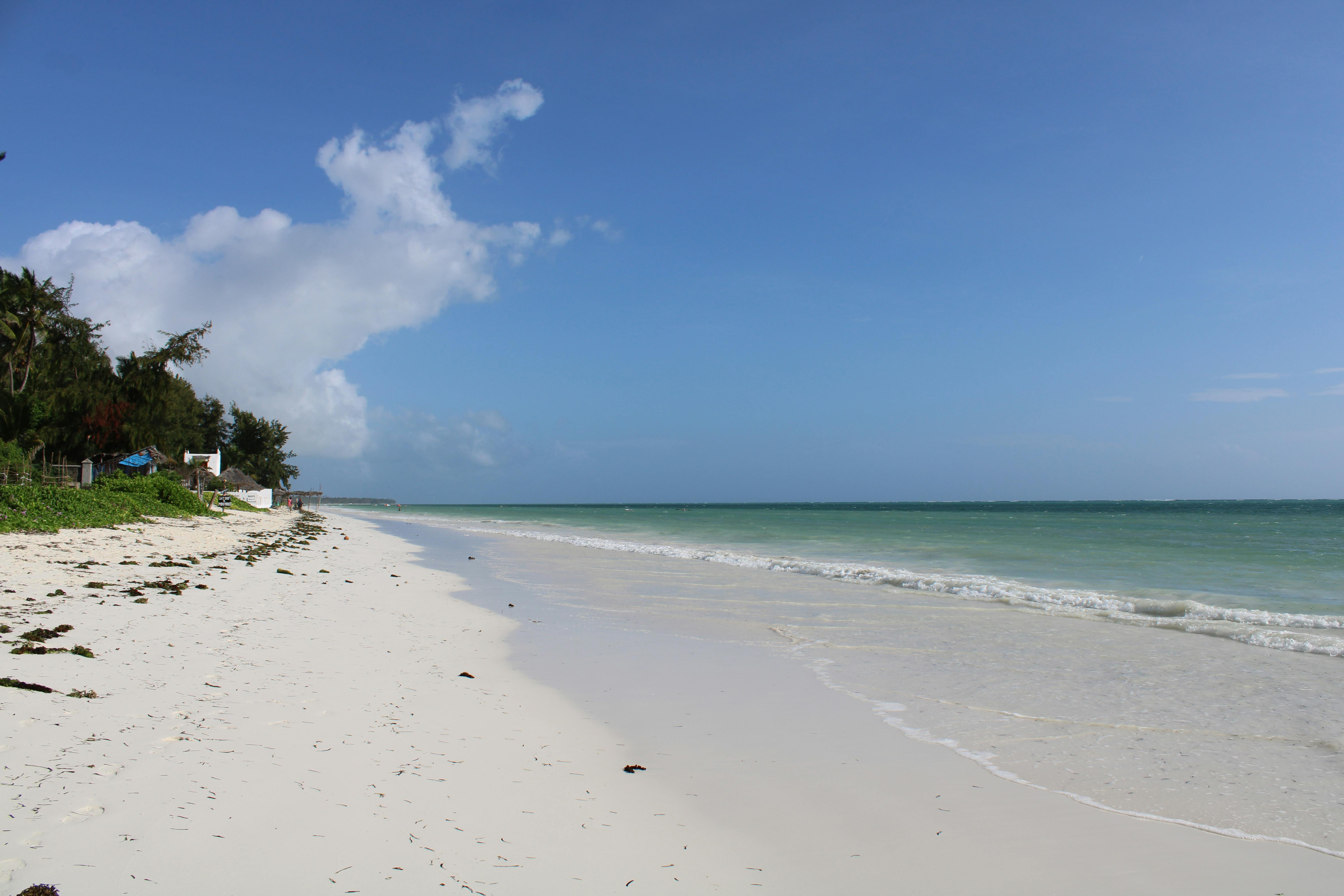
The calm water between the reef and the shore is a direct consequence, and it is what makes many tropical beaches swimmable at all.
When reef structure degrades and flattens, more energy reaches the shore, and erosion and storm damage increase without any change in weather.
The structure supports the fishery
Reef architecture provides shelter for juvenile fish, and the complexity of the structure determines how many can survive to maturity.
A flattened reef supports far fewer fish even where the same species are still present, because the hiding places have gone.
Local fishing communities feel this before scientists publish it, in longer trips and smaller catches from the same grounds.
Tourism revenue depends on visible health
Dive and snorkel operations sell an experience that degrades measurably as coral cover falls, and guests notice bleached and algae-covered reef immediately.
Because that revenue supports boats, guides, equipment shops and the hotels that feed them, reef decline reaches the local economy through many channels at once.
Destinations that have lost reef quality generally find that visitor spending falls faster than visitor numbers, as the high-value activity disappears first.
Pressure comes from land as much as sea
Sediment washing off cleared land settles on coral and blocks the light that its symbiotic algae require.
Nutrient runoff from agriculture and untreated wastewater favours fast-growing algae that outcompete coral for space on the reef.
Warming water drives bleaching events, and reefs already weakened by sediment and nutrients recover from those events far more slowly.
What management actually involves
Effective protection combines marine reserves where extraction is prohibited with wastewater treatment and land management in the catchment behind the coast.
Mooring buoys, anchoring bans and diver briefings address direct physical damage, which is the smallest cause but the easiest to control.
Resorts in reef destinations increasingly fund monitoring and restoration directly, because the asset their rates depend on sits offshore rather than on their own land.