
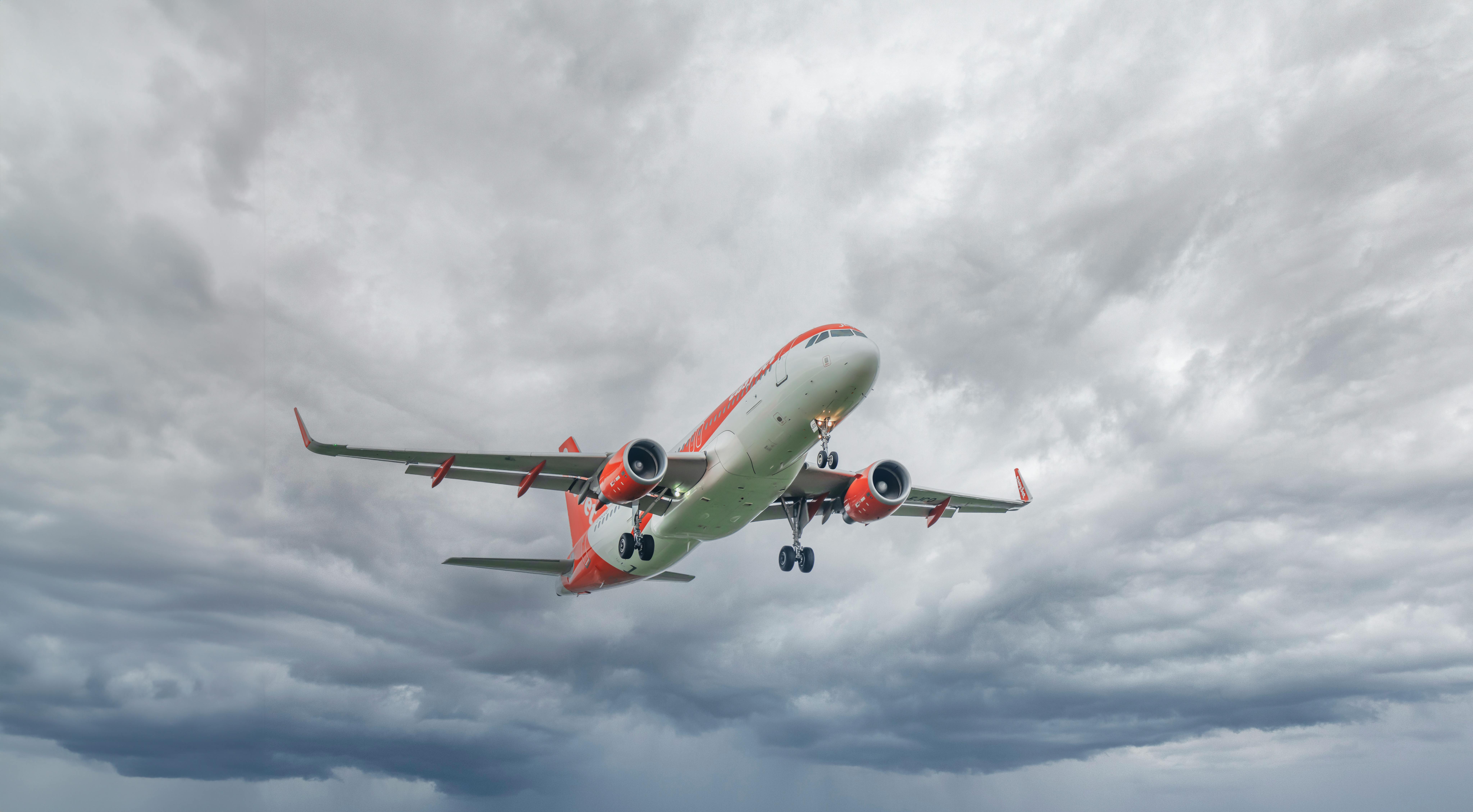
Which cities are connected by direct flights is determined largely by what aircraft are available. Changes in aircraft capability have redrawn the map several times.
Range and payload trade against each other
An aircraft's maximum range assumes a particular load, and carrying more passengers or freight reduces how far it can fly.
Routes near the limit of an aircraft's capability therefore operate with restricted loads, which weakens the economics of the flight considerably.
Airlines assess a potential route against what the aircraft can carry over that distance year-round, including into headwinds that vary by season and direction.
Aircraft size sets the demand threshold
A very large aircraft requires a large and reliable flow of passengers on the route, which few city pairs can supply on their own.
Smaller long-range aircraft lower that threshold, making routes viable between cities that could never have filled a larger type.
The industry shift toward efficient twin-engine aircraft of moderate size is the direct cause of the long-haul routes now operating between secondary cities.
Frequency competes with size
Two daily flights on a smaller aircraft are usually worth more commercially than one flight on a larger one carrying the same total passengers.
Business travellers value departure choice highly, and a route with a single daily departure loses that traffic to competitors offering options.
This pushes airlines toward smaller aircraft flown more often wherever airport slots and crew costs allow it, and it is why the very largest passenger aircraft found a narrower market than their designers expected.
Certification and infrastructure impose limits
Extended operations rules govern how far twin-engine aircraft may fly from a suitable diversion airport, which shapes ocean and polar routings.
Airports must also physically accommodate the type, in runway length and strength, gate dimensions, ground equipment and rescue category.
An airline wanting to serve a smaller airport with a larger aircraft frequently finds the constraint is on the ground rather than in the air, and upgrading an airport to remove it takes years of public investment.
Fleet commonality shapes the network
Operating fewer aircraft types reduces cost across training, spares, maintenance and crew scheduling, which is a substantial and permanent saving.
The consequence is that airlines prefer to fly routes their existing fleet suits rather than acquiring a type for one opportunity.
Route maps therefore reflect fleet history as much as market opportunity, and a promising city pair can remain unserved simply because nobody has the right aircraft spare.