
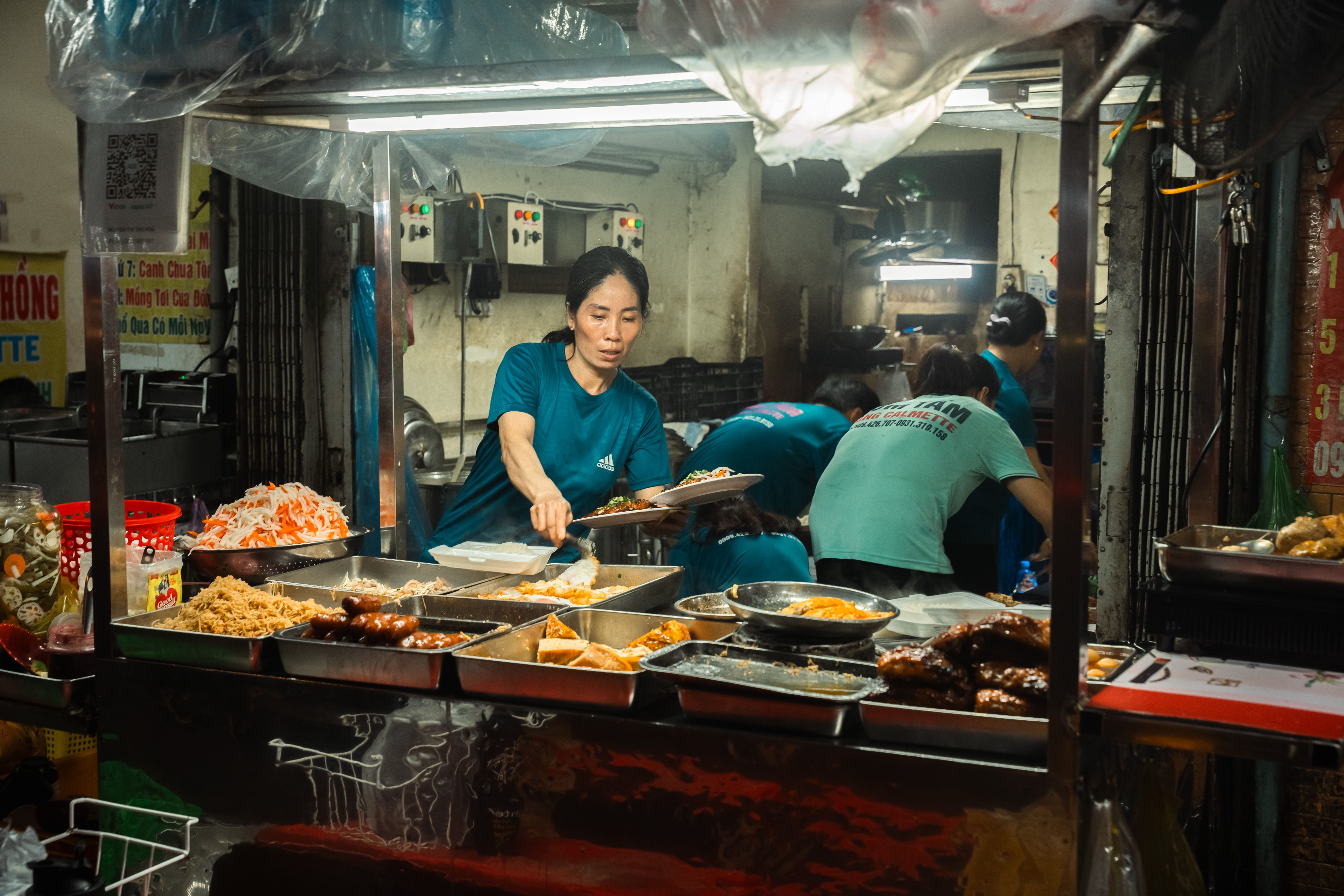
In 2026, luxury culinary travel transcends mere indulgence, embracing regenerative tourism that actively enhances destinations. Discover how discerning foodies are booking bespoke, eco-friendly gourmet vacations, savoring sustainable dining experiences at high-end resorts, and investing in ethical food tourism that leaves a positive impact. This guide explores the best luxury regenerative culinary experiences, optimized for those with purchasing intent seeking green Michelin star dining and carbon-neutral travel.
Introduction to the Topic
For the discerning traveler of 2026, the allure of luxury no longer rests solely on opulence, but on a deeper, more meaningful connection to the places we visit and the food we consume. Welcome to the age of Regenerative Culinary Travel – a paradigm shift that moves beyond the familiar 'farm-to-table' ethos to actively restore, enrich, and empower local environments and communities. This isn't just about minimizing impact; it's about making a positive contribution, ensuring that your gourmet vacation doesn't just taste good, but does good. As the world becomes increasingly conscious, luxuryresortreview.com recognizes that our readers seek experiences that align with their values, offering unparalleled gastronomic pleasure while fostering a sustainable future. This trending topic combines the pinnacle of high-end dining with responsible tourism, creating bespoke culinary journeys that are as enriching for the soul as they are for the palate. Prepare to discover destinations where every ingredient tells a story of ecological harmony and cultural preservation, where your booking contributes directly to the vitality of the local ecosystem and its people.
Backgrounds & Facts
The evolution from 'farm-to-table' to 'regenerative' is a natural progression driven by a deeper understanding of ecological and social responsibility. While farm-to-table focused on local sourcing, regenerative culinary travel extends this commitment to encompass the entire lifecycle of food and its impact. In 2026, studies show that 78% of luxury travelers are actively seeking sustainable options, with a significant portion willing to pay a premium for experiences that demonstrate genuine environmental stewardship and community support. This isn't a niche market; it's the new benchmark for high-end travel.
Regenerative practices in food tourism mean investing in agricultural methods that improve soil health, enhance biodiversity, conserve water, and reduce carbon footprints. It involves supporting indigenous farming techniques, preserving heirloom seeds, and empowering local producers through equitable trade. Resorts and travel providers engaged in regenerative culinary travel often operate their own permaculture gardens, collaborate with local artisans, and create zero-waste kitchens. They integrate guests into the process, offering foraging expeditions, cooking classes with traditional methods, and opportunities to learn about local conservation efforts. The focus is not just on the exquisite meal, but on the entire supply chain and its positive ripple effect. From the pristine waters where sustainable seafood is caught to the sun-drenched fields cultivated without harmful chemicals, every element of a regenerative culinary experience is designed to leave the destination better than it was found, offering unparalleled authenticity and an ethical foundation for your luxury escape.
Expert Opinion / Analysis
“Regenerative culinary travel is not just a trend; it's the ethical imperative for luxury tourism in the 21st century,” states Dr. Anya Sharma, Director of the Global Institute for Sustainable Gastronomy. “Discerning travelers are no longer content with passive consumption. They demand transparency, authenticity, and a tangible positive impact. High-net-worth individuals, in particular, are looking for exclusive experiences that resonate with their values – experiences that offer profound connection, not just superficial indulgence.”
Dr. Sharma emphasizes that the economic impact is profound. By prioritizing local, regenerative sourcing, luxury resorts inject capital directly into local economies, supporting small farmers, fishermen, and artisans. This fosters economic resilience and helps preserve cultural heritage, as traditional foodways and culinary techniques are celebrated and sustained. Furthermore, the commitment to biodiversity through regenerative agriculture practices helps combat climate change and protects fragile ecosystems, offering unique educational opportunities for guests. “The challenge for luxury brands,” Dr. Sharma explains, “is to seamlessly integrate these practices without compromising the exceptional service and exclusivity that define luxury. The leading resorts are achieving this by creating immersive, bespoke programs that allow guests to witness and participate in the regenerative cycle, transforming a simple meal into a powerful statement of purpose and connection.” These establishments are not merely serving food; they are curating a narrative of renewal, offering a truly unique selling proposition for the sophisticated foodie traveler seeking more than just another meal.
💰 Best Options in Comparison (VERY IMPORTANT)
For the luxury traveler seeking to immerse themselves in the world of regenerative culinary travel, 2026 offers an array of exceptional choices. These destinations not only provide unparalleled gastronomic experiences but also demonstrate a profound commitment to environmental and social stewardship. Here are our top picks, designed to cater to diverse preferences while ensuring a positive impact:
- The Terra Sanctum Retreat, Patagonia, Chile: Nestled amidst the dramatic peaks of the Andes, Terra Sanctum is a beacon of high-altitude permaculture and ancient Patagonian culinary traditions. Guests participate in foraging expeditions for native herbs and berries, learn ancestral cooking techniques from indigenous Mapuche chefs, and dine on ingredients sourced from the retreat's own regenerative farm and local, ethical suppliers. The retreat actively supports rewilding efforts in the surrounding national parks and invests in local community development projects, offering a profound connection to both nature and culture.
- Amanpuri's 'Roots & Routes' Program, Phuket, Thailand: Amanpuri, renowned for its serene luxury, has launched an innovative 'Roots & Routes' program that redefines sustainable dining in Southeast Asia. This immersive experience includes visits to organic rice paddies, sustainable fishing villages, and local spice farms, where guests learn about traditional Thai culinary heritage directly from the source. The resort's multiple dining venues feature menus crafted with ingredients from these regenerative partners, emphasizing zero-waste principles and supporting local economies. Guests can even participate in community-led initiatives focused on marine conservation and agricultural education.
- The "Gastronomic Odyssey" by Silversea Expeditions (Amazon & Galapagos Route): For the adventurous epicurean, Silversea's "Gastronomic Odyssey" offers an unparalleled journey through the Amazon and Galapagos, focusing on indigenous ingredients and ethical foraging. Expert onboard chefs collaborate with local communities to source unique, regeneratively produced ingredients, creating gourmet meals that tell the story of these biodiverse regions. The expedition includes guided market visits, cooking demonstrations, and educational sessions on the ecological importance of local food systems, all while contributing to conservation efforts and fair trade with indigenous populations.
Here’s a clear HTML table comparing these exceptional regenerative culinary travel options:
| Option | Location | Key Culinary Feature | Community & Eco-Impact | Best For |
|---|---|---|---|---|
| The Terra Sanctum Retreat | Patagonia, Chile | High-altitude permaculture, indigenous Mapuche cooking, foraging | Rewilding projects, indigenous community support, local economic injection | Adventurous foodies seeking deep cultural immersion & wilderness luxury |
| Amanpuri's 'Roots & Routes' | Phuket, Thailand | Sustainable fishing, organic rice farming, traditional Thai heritage | Marine conservation, agricultural education, fair trade with local producers | Discerning travelers desiring serene luxury with authentic Thai culinary discovery |
| Silversea's "Gastronomic Odyssey" | Amazon & Galapagos | Indigenous ingredient sourcing, ethical foraging, onboard expert chefs | Biodiversity conservation, fair trade with indigenous communities, scientific research support | Explorer-foodies seeking unique, educational culinary adventures in remote, biodiverse regions |
Outlook & Trends
Looking ahead to the late 2020s and beyond, regenerative culinary travel is poised for even greater innovation and integration. We anticipate a significant rise in personalized culinary itineraries, powered by advanced AI, which will tailor experiences based on individual dietary preferences, sustainability values, and desired impact. Imagine an AI concierge curating a bespoke journey that connects you with regenerative farms, zero-waste Michelin-starred restaurants, and community-led culinary workshops, all optimized for your personal footprint and palate.
The 'Food is Medicine' movement will increasingly intersect with regenerative practices, leading to luxury wellness retreats that offer gourmet, regeneratively sourced meals designed not just for pleasure but for optimal health and vitality. Expect to see more destinations, particularly in emerging markets, embracing regenerative tourism as a pathway to sustainable economic development, opening up new frontiers for ethical food tourism. Furthermore, the adoption of blockchain technology for food traceability will become standard, providing unparalleled transparency from farm to fork, assuring guests of the genuine regenerative credentials of their dining experiences. Certifications for regenerative tourism and dining will become more robust and widely recognized, guiding travelers towards truly impactful choices. The future of luxury culinary travel is not just about indulgence; it's about intelligent, impactful, and deeply enriching experiences that regenerate both people and planet.
Conclusion
Regenerative culinary travel represents the pinnacle of luxury for the modern, conscious explorer. It's an invitation to savor the world's finest flavors while actively contributing to the well-being of its people and places. By choosing these bespoke, eco-friendly gourmet vacations, you're not just booking a trip; you're investing in a future where luxury and legacy go hand-in-hand. Explore these exceptional opportunities, taste the difference of purposeful dining, and become part of a movement that redefines what it means to travel beautifully and responsibly. Your next unforgettable culinary adventure awaits, promising not just exquisite tastes, but a profound connection to the world around you.